Beginner Sailing Guide
How to Plan Your First Sailing Trip: A Step-by-Step Guide
Your first sailing trip gets easier the moment you stop treating it like a romantic leap and start treating it like a simple system. Pick the right destination, watch the weather, build a basic itinerary, pack for the conditions, and leave room for the sea to behave like the sea. That is the whole game, minus the dramatic hair in the wind.
If you are planning your first sailing trip, you are probably asking a few practical questions: Where should I go? How much sailing is too much for a first outing? What do I pack if I do not want to bring my entire closet onto a boat? And how do I stay safe without turning the trip into a military exercise?
Those are the right questions. The National Weather Service marine forecast and the U.S. Coast Guard boating safety resources both make the same larger point in different language: good planning is what makes a trip comfortable, not lucky. If you want a broader safety baseline before you depart, the Weather.gov safety pages are worth a look as well.
In this guide, I will walk through the planning process step by step: how to choose a beginner-friendly destination, how to map a trip that still leaves room for weather changes, what to pack, and how to build a safety routine that feels calm instead of complicated. If you want to explore more sailing notes afterward, the blog archive is there; if you want the broader site context first, the home page keeps everything in one place.
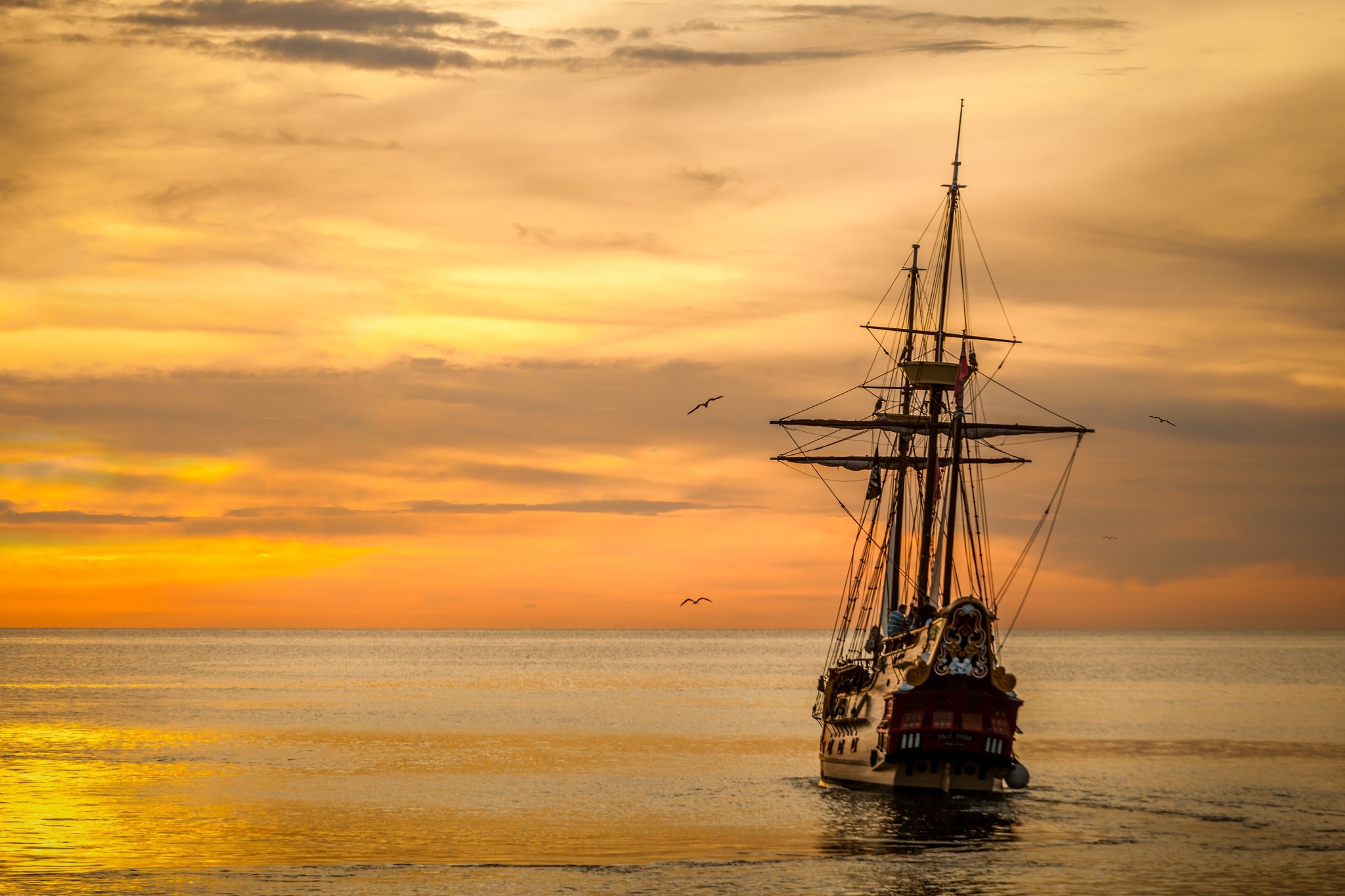
1. Start With the Trip You Actually Want
Before you choose a marina, a route, or a date, define the kind of first trip you want to have. That sounds obvious, but it is the part most people skip. They jump straight to destinations and forget that a first sailing trip is not just a location decision. It is a comfort decision, a pacing decision, and a confidence decision.
I like to think of the first sailing trip as a short prototype. You are not proving that you can do everything. You are testing the experience in a controlled way so you can enjoy the parts that matter: the motion, the view, the rhythm of the boat, and the quiet satisfaction of arriving somewhere by wind rather than by traffic.
A good beginner trip usually has these qualities:
- Short sailing legs instead of long open-water passages.
- Protected water, such as a bay, inland lake, sheltered coast, or easy island hop.
- Reliable marina access, anchorage, or dock options if the weather shifts.
- Simple logistics: clear parking, easy provisioning, and a straightforward check-in process.
- A skipper, instructor, or experienced sailing friend who can explain the boat before departure.
The goal is not to eliminate every variable. The goal is to keep the important variables visible.
A Few Sailing Terms Worth Knowing
You do not need a nautical dictionary taped to the bulkhead, but a few terms make planning much easier. When you understand the language, the instructions become practical instead of mysterious.
- Float plan: a simple record of where you are going, who is aboard, and when you expect to return.
- Forecast window: the period when wind, visibility, and sea conditions are likely to stay manageable.
- Protected water: a route or anchorage with natural shelter from waves and heavy chop.
- Provisioning: gathering food, drinks, and supplies before the trip begins.
- Fallback plan: the alternate route, marina, or return time you will use if conditions change.
These terms sound minor, but they shape the whole planning process. Once you can name the parts, you can manage them. That is half of every good voyage and most decent software systems, come to think of it.
2. Choose the Right Destination
For a first trip, the destination should help you succeed. It should not test your limits just because it has a good photo. If you are choosing between two places, pick the one with the more forgiving weather patterns, the easier access, and the shorter route. Your future self will not care that you “really wanted the adventurous option” if everyone is seasick and late.
Here is a simple way to evaluate a destination before you commit.
| Planning factor | What to look for | Why it matters for a first trip |
|---|---|---|
| Wind | Moderate, predictable conditions instead of strong gusts or big shifts | Helps new sailors learn without being overpowered |
| Water shape | Sheltered bays, inland lakes, or routes with natural protection | Reduces wave action and makes handling simpler |
| Route length | Short legs between launch point, stopovers, and return point | Leaves room for teaching, breaks, and weather changes |
| Access | Easy marina check-in, parking, and provision stops | Keeps the logistics from becoming the hardest part of the day |
| Backup options | Alternate harbor, dock, or return route if conditions change | Gives you a plan without panic if the forecast moves |
Beginner-friendly sailing often looks boring on a map, and that is exactly what you want. Sheltered water is not a downgrade; it is an efficient interface. You can learn the rhythm of the boat, keep the crew comfortable, and still have the feeling of being out on the water rather than stuck in the middle of a logistics lesson.
If you are checking conditions yourself, start with the marine forecast from the National Weather Service. It is the cleanest first pass for wind, seas, and timing. If you want a broader safety reference, the Coast Guard boating safety site is useful before you settle on a route.
If you want a broader beginner refresher before your first departure, the US Sailing education resources page is a practical place to review fundamentals without getting lost in technical detail.
Beginner-friendly destination shapes usually fall into one of these buckets:
- Sheltered coastal bay: good if you want scenery without long exposure to open water.
- Inland lake: good for learning basic handling in a more contained environment.
- Short island route: good if the crossings are brief and there is a clear harbor at each stop.
- Day-sail area near a marina: good if you want a single outing before trying an overnight trip.
3. Build an Itinerary That Leaves Room for Reality
Once the destination is chosen, do not overdesign the day. Your itinerary should guide the trip, not strangle it. A first sailing trip works best when the schedule is clear, but not brittle. Leave gaps for weather, delays, learning, lunch, and the inevitable moment when someone asks how the anchor works for the third time.
The right way to think about the itinerary is as a sequence of decisions: when you arrive, when you review safety, when you leave the dock, where you pause, and what happens if conditions change. If you prefer to see a process as a visible workflow, a work order management software builder is a neutral example of how a structured task sequence gets broken into steps. Sailing uses the same logic, only with more water and fewer office chairs.
Here is a practical sample itinerary for a first overnight or weekend trip:
| Time | Plan | Purpose |
|---|---|---|
| Day 0, late afternoon | Check the forecast, confirm crew, and finish provisioning | Removes last-minute uncertainty before departure |
| Day 1, early morning | Arrive at the marina, stow bags, review safety gear, and assign simple roles | Gives everyone time to settle in before the boat moves |
| Day 1, mid-morning | Cast off, take a short route in protected water, and practice basic handling | Lets the crew build confidence while the conditions are still calm |
| Day 1, midday | Pause for lunch or a swim at a safe anchorage or dock | Creates a break and reduces fatigue |
| Day 1, afternoon | Continue to the destination marina or anchorage | Keeps the day manageable and avoids sailing into exhaustion |
| Day 1, evening | Secure the boat, review what went well, and keep dinner simple | Turns the trip into a learning experience instead of a scramble |
| Day 2, morning | Check the updated forecast, sail a shorter return leg, and head back before conditions build | Protects the energy and mood of the group |
| Day 2, after docking | Unload, clean up, log notes, and capture lessons for next time | Makes the next sailing trip easier to plan |
The secret ingredient here is flexibility. Build a schedule with enough structure to keep people confident and enough slack to absorb reality. Wind shifts, a late departure, and a longer lunch stop are all normal. A good itinerary expects that.
4. Pack the Right Essentials, Not the Entire House
Packing is where first-time sailors often overcorrect. They bring too much of the wrong thing and not enough of the practical stuff. The boat does not need your favorite decorative pillow. It does need layers, sun protection, water, and a dry place for the things you actually care about keeping dry.
This is the section where a visible gear image helps, because good planning is concrete. The point is not to fantasize about the trip. The point is to make the trip work.
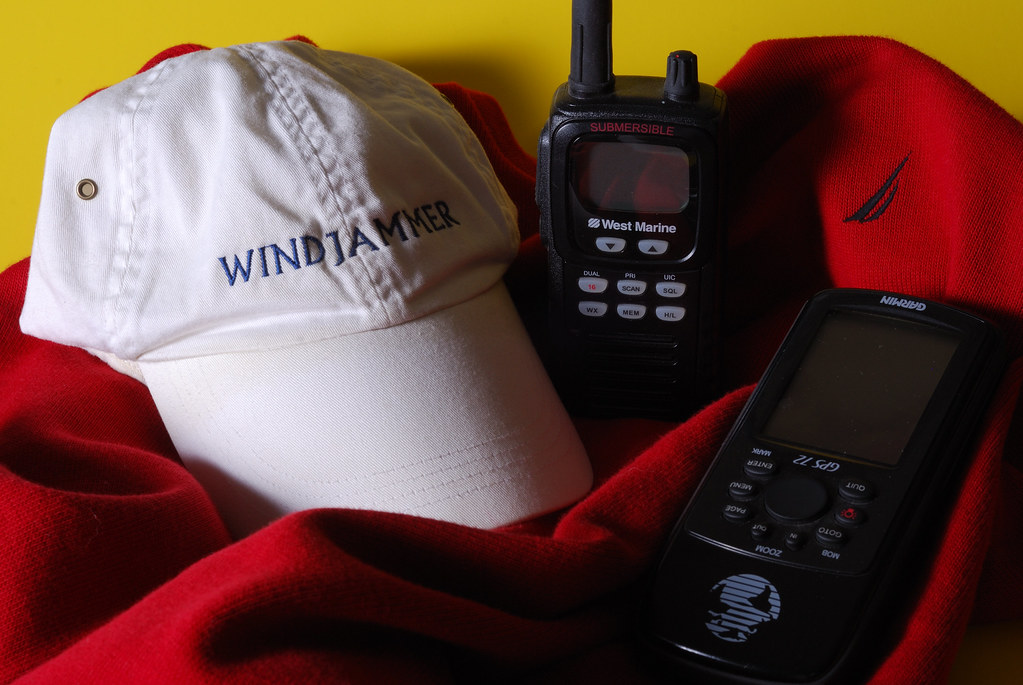
Here is a practical packing checklist for beginners:
- Lightweight layers that dry quickly.
- A warm outer layer or windbreaker, even in fair weather.
- Non-slip shoes or deck shoes with good grip.
- Hat, sunglasses, and sunscreen.
- Water bottle and extra hydration for the day.
- Simple snacks or meals that do not require much preparation.
- Motion-sickness remedies if anyone in the crew is prone to seasickness.
- Dry bag or waterproof pouch for phone, wallet, and documents.
- Personal medication and any needed health items.
- Photo ID, reservation details, and any required boat paperwork.
- Small first-aid kit with basics like bandages and antiseptic.
- Flashlight or headlamp if you may return after dark.
- Phone charger or portable battery pack.
- Cash or card for dock fees, snacks, or emergency purchases.
If your boat provides the core safety gear, do not duplicate every item just because a checklist told you to. Instead, focus on what makes the trip comfortable and what you are personally responsible for. That includes clothing, hydration, documents, medication, and anything that protects your electronics from the water that will eventually find a way to express an opinion.
For a more formal safety baseline, the Coast Guard’s boating resources are useful, and the broader Weather.gov safety guidance gives you a good reminder that conditions can change faster than a group chat opinion.
5. Safety Preparation Is Not a Buzzkill. It Is the Whole Point.
A first sailing trip should feel relaxed, but relaxed does not mean unprepared. The easiest way to reduce stress is to decide the safety basics before the boat leaves the dock. That way, nobody has to improvise when the wind shifts or someone on board starts asking important questions in a very unhelpful tone.
Use a simple safety routine:
- Review who is aboard and make sure everyone knows the basic plan.
- Confirm life jackets are available and easy to reach.
- Share the route and return time with someone ashore.
- Check updated weather again just before departure.
- Decide your no-go threshold ahead of time, not halfway through the trip.
- Make sure the communication method on board works and is understood.
The key concept is the float plan. It does not need to be a formal maritime document. For a beginner trip, it can be as simple as a text message to a trusted contact with the departure point, destination, number of people on board, and expected return time. If plans change, send an update. That one habit can remove a surprising amount of noise from the day.
You should also know what to do if the weather shifts sooner than expected. Do not wait for conditions to become dramatic before deciding to shorten the route. A safe return while everyone is still comfortable is a good decision, not a failed one. The sea does not hand out prizes for stubbornness.
6. Use the Day Before to Remove Friction
The day before departure is where good trips become easy trips. This is when you eliminate the small problems that usually grow into large ones once everyone is already on the boat. I like to think of it as reducing drag before you ever raise the sail.
Here is a short pre-departure checklist:
- Recheck the forecast at least once the evening before and once the morning of departure.
- Confirm the marina location, parking, and boarding time.
- Pack bags in waterproof or easy-to-carry containers.
- Charge phones, batteries, and any handheld devices.
- Prepare food and water so the first meal does not become a scavenger hunt.
- Send the float plan or trip summary to your shore contact.
- Lay out clothing for the expected temperature and sun exposure.
- Review who is bringing what so nobody shows up with four coolers and no sunscreen.
If you do these things the day before, the boat day starts like a launch sequence instead of a rescue operation.
7. Keep the First Trip Small Enough to Enjoy
The most common first-trip mistake is trying to make the outing too ambitious. New sailors often want to see as much as possible, and that instinct is understandable. But the best first trip usually is not the longest one. It is the one that leaves everyone thinking, “I could do that again.”
That means a few things in practice:
- Do not pack the schedule with too many stops.
- Do not choose a route that depends on perfect wind and no delays.
- Do not overbook food, activities, or evening plans.
- Do not make the trip about proving competence.
- Do make it about learning the boat and enjoying the water.
For many beginners, the win is not a perfect passage. The win is a smooth departure, a calm lunch stop, a safe return, and a few notes that make the next plan better. That is a successful first sailing trip by any useful definition.
8. A Simple Sample Trip Summary You Can Reuse
If you want the whole plan in one place, here is the clean version I would use for a beginner outing:
- Destination: sheltered water with easy dock access.
- Timing: one full day or one overnight with a short return route.
- Crew: a small group with clear roles and at least one experienced sailor if possible.
- Weather rule: choose a calm forecast window and update it before departure.
- Packing rule: layers, sun protection, water, snacks, documents, and dry storage.
- Safety rule: life jackets available, float plan shared, and return time defined.
- Success measure: everyone comes back comfortable, informed, and ready to do it again.
That is the difference between a trip and a useful trip. A useful trip gives you a better mental model of sailing, not just a set of photos.
Conclusion: Plan for Comfort, Then Let the Wind Do Its Job
Your first sailing trip does not need to be complicated to be memorable. In fact, simplicity is usually what makes it memorable for the right reasons. Choose a forgiving destination, build a flexible itinerary, pack the essentials, check the weather, and keep your safety plan boring in the best possible way.
If you want a final mental frame, use this: the boat handles the wind, but you handle the workflow. The more clearly you prepare the moving pieces, the more time you have to enjoy the water once you get there. That is the real trick behind a good first trip.
When you are done here, return to the home page if you want to reconnect with the wider site, or browse the blog archive for more practical sailing notes and planning ideas.
Key takeaways:
- Choose a beginner-friendly destination with sheltered water and short legs.
- Plan a flexible itinerary that leaves room for weather and learning.
- Pack light, practical gear and focus on comfort, sun protection, and hydration.
- Share a float plan, review the forecast, and treat safety as part of the plan.
- Keep the first outing small enough that you want to sail again.