Sailing History
The Evolution of Sailboat Design: A Historical Perspective
When you look at a sailboat today, you are seeing centuries of trial, error, and a few very stubborn ideas that turned out to work. That is what makes sailboat design such a satisfying topic: every era leaves a visible mark on the next one.
If you want a quick starting point, it helps to compare a broad overview of the sailboat with the material shifts that transformed boatbuilding, especially fiberglass. Those two ideas alone explain a lot of the journey from simple working craft to the sleek boats people sail for sport, travel, and the occasional escape from email.
In this guide, I’ll trace how sailboat design changed from early wooden craft to modern composite boats, why those changes mattered, and what future designs are likely to emphasize. You can also browse the blog archive for more sailing notes or return to the home page if you want the wider site context first.

A Short Timeline of Sailboat Design
A simple way to understand sailboat history is to look at the main design shifts, not just the years attached to them. Each step changed what a boat could do, who could use it, and how much care it needed.
| Era | Design shift | Why it mattered |
|---|---|---|
| Ancient and early coastal boats | Simple hulls, shallow draft, and basic rigs | Made it easier to move people and goods with wind power alone |
| Age of Exploration | Stronger hulls, deeper keels, larger rigs | Helped boats cross open water with more cargo and more range |
| 19th century racing and trade | Sharper hulls, better measurement, improved spars and rigging | Improved speed, handling, and repeatable construction |
| 20th century leisure sailing | Fiberglass hulls and simpler upkeep | Made sailing more accessible to ordinary owners |
| Modern performance era | Composites, lighter hardware, smarter controls | Balanced speed, comfort, and easier handling |
From Workboat to Purpose-Built Sail Craft
The earliest sailboats were not built to impress anyone at a marina. They were practical tools. People needed a way to move across water without rowing every mile by hand, so hulls were shaped for stability, storage, and predictable handling rather than elegance.
As sailing spread across river systems, coastlines, and trade routes, boatbuilders noticed something useful: different waters needed different boats. A vessel that worked in calm inland waters did not always behave well in rougher seas. That pushed design toward more specific choices in hull depth, sail area, and balance.
For a broader historical frame, the overview of history of sailing is helpful because it shows how closely sail design followed trade, navigation, and local conditions. The important lesson is simple: sailboat design always answered a use case first.
A few terms worth knowing
- Hull – the body of the boat.
- Rig – the mast, sails, and hardware that catch the wind.
- Keel – the part below the boat that helps it track straight and stay balanced.
- Composite – a material made from more than one component, often used to reduce weight and add strength.
The Age of Exploration Changed the Brief
Once sailing became tied to exploration and long-distance trade, design had to do more than float and move. Boats needed to carry provisions, resist rough weather, and survive long stretches between ports. That is when the shape of a sailboat started to reflect endurance as much as speed.
Shipbuilders responded by making hulls stronger and rigs more capable. Larger keels helped boats hold a course. Better spar geometry made it easier to carry more canvas safely. The result was not just a faster boat, but a boat that could be trusted for longer voyages.
The history of the clipper is a good reminder of how the search for speed shaped the entire 19th-century sailing world. If you want the romantic version, this is the era that gave us the idea of a sailing vessel as both workhorse and thoroughbred.
The 19th Century: Measurement, Racing, and Refinement
The 19th century brought a more systematic approach to design. Builders started paying closer attention to measurement, balance, and repeatability. Racing pushed those changes further because a boat that was a little faster, or a little easier to control, could make a real difference.
That period also made sailboat design more visible to the public. Yachts were no longer only about transportation or cargo. They became a way to test ideas about hull shape, sail plan, and handling. For a quick reference point, the yacht page captures the move from utility to leisure and competition.
By the end of this era, many of the design questions we still ask today were already on the table: How much speed do you want? How much stability do you need? And how much maintenance is too much maintenance before the boat starts behaving like a second job?
Modern Advancements in Sailboat Design
The modern era changed the everyday experience of sailing more than almost any earlier period. The biggest reason was material science. Wooden construction still has its place, but fiberglass opened the door to lighter upkeep, more repeatable shapes, and wider access for ordinary boat owners.
That shift matters because it changed who could realistically own and enjoy a sailboat. Boats became easier to produce at scale, easier to maintain, and more forgiving for recreational sailors who wanted time on the water instead of a long list of varnish projects.
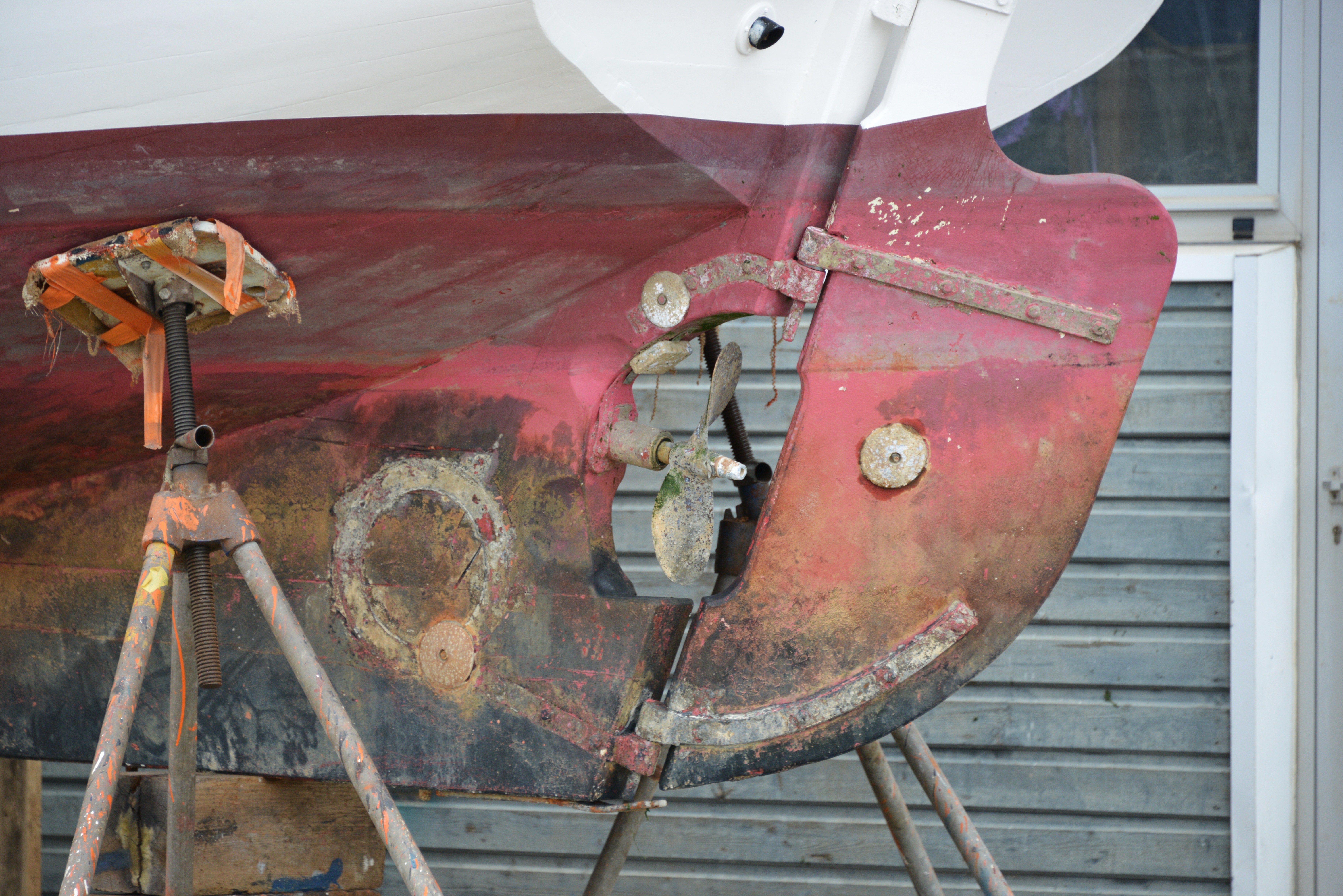
At the same time, rigging and control systems became more refined. Winches, lines, and deck hardware made it easier to manage sail power without needing a crew the size of a small village. Good design stopped being only about speed. It also became about comfort, confidence, and fewer surprises when the wind shifted.
For the material side of that story, the overview of carbon fiber is useful because it shows why lighter, stiffer structures matter so much in performance sailing. In plain language: less weight in the wrong place usually means better response in the right one.
Modern sailboat design also reflects how people actually use boats now. Many sailors want weekend cruising, family space, and manageable systems more than they want a design that behaves like a competitive racing machine every single day. That is a healthy tradeoff. Not every boat needs to act as if the Olympics are on the calendar.
What Future Sailboats Are Likely to Emphasize
The next chapter is already taking shape around sustainability, efficient materials, and smarter onboard systems. Builders are asking how to cut weight without cutting strength, how to improve efficiency without making the boat harder to live with, and how to reduce the maintenance burden that keeps many people ashore.
One trend is cleaner propulsion support. Sailboats still rely on wind first, but many owners now expect quieter auxiliary systems, better battery management, and less waste. The broader shift toward electric boat ideas reflects that expectation, even when the sail remains the main engine.
Another trend is smarter control. Autopilot systems, better instrumentation, and more intuitive deck layouts can make sailing more approachable for new owners without removing the skill from the experience. That is the sweet spot: more capability, less friction, same wind, fewer bruised shins.
Finally, future design will likely stay flexible. Buyers want boats that can cruise, race, entertain, and spend less time in the yard. Designers who can balance those demands will shape the next generation of sailboats.
What This Evolution Means for Sailors
The long history of sailboat design shows a simple pattern: each generation keeps the parts that work and leaves behind the parts that waste effort. That is why modern sailboats are lighter, easier to manage, and more versatile than their ancestors, even when they still carry the same basic silhouette of mast, hull, and sail.
If you are a casual reader, the main takeaway is that sailboats did not become modern by accident. Every improvement answered a real need, whether that need was distance, speed, safety, comfort, or lower maintenance. The sea has a way of sorting out the arguments for you.
If you want to keep exploring, the blog archive is the best place to continue, and the home page will bring you back to the broader site story whenever you need it.