If you want a sailing club to last, start by treating it like operations, not romance. Good clubs do not appear because a few friends liked the same harbor view. They survive because somebody set rules, booked space, collected dues, scheduled sailing, and kept the volunteers from quietly mutinying.
When people search for how to start a sailing club, they usually want the same four answers: How many members do I need? Where does the club meet? Who runs the thing? How do I keep it alive after the first burst of enthusiasm? The quote that still fits this work is Sir Francis Chichester’s blunt line:
“Any damn fool can navigate the world sober.”
The joke is older than the internet, but the point holds: boating is easy to romanticize and harder to organize.
The problem is bigger than one local dock or one small crew. Sailing clubs succeed when they balance safety, training, access, and social momentum. Official resources from US Sailing and the RYA club and training finder both point to the same reality: clubs are part education center, part social network, part event machine. If any one of those pieces fails, the whole structure gets wobbly fast.
By Felix Rowan · Updated July 26, 2026
In this guide, I’ll walk through the practical side of organizing a sailing club: defining the mission, choosing a location, setting leadership roles, recruiting members, running events, and keeping the club useful after the first flattering meeting ends. If you want broader site context, start at the home page and keep the blog index open for related guides.
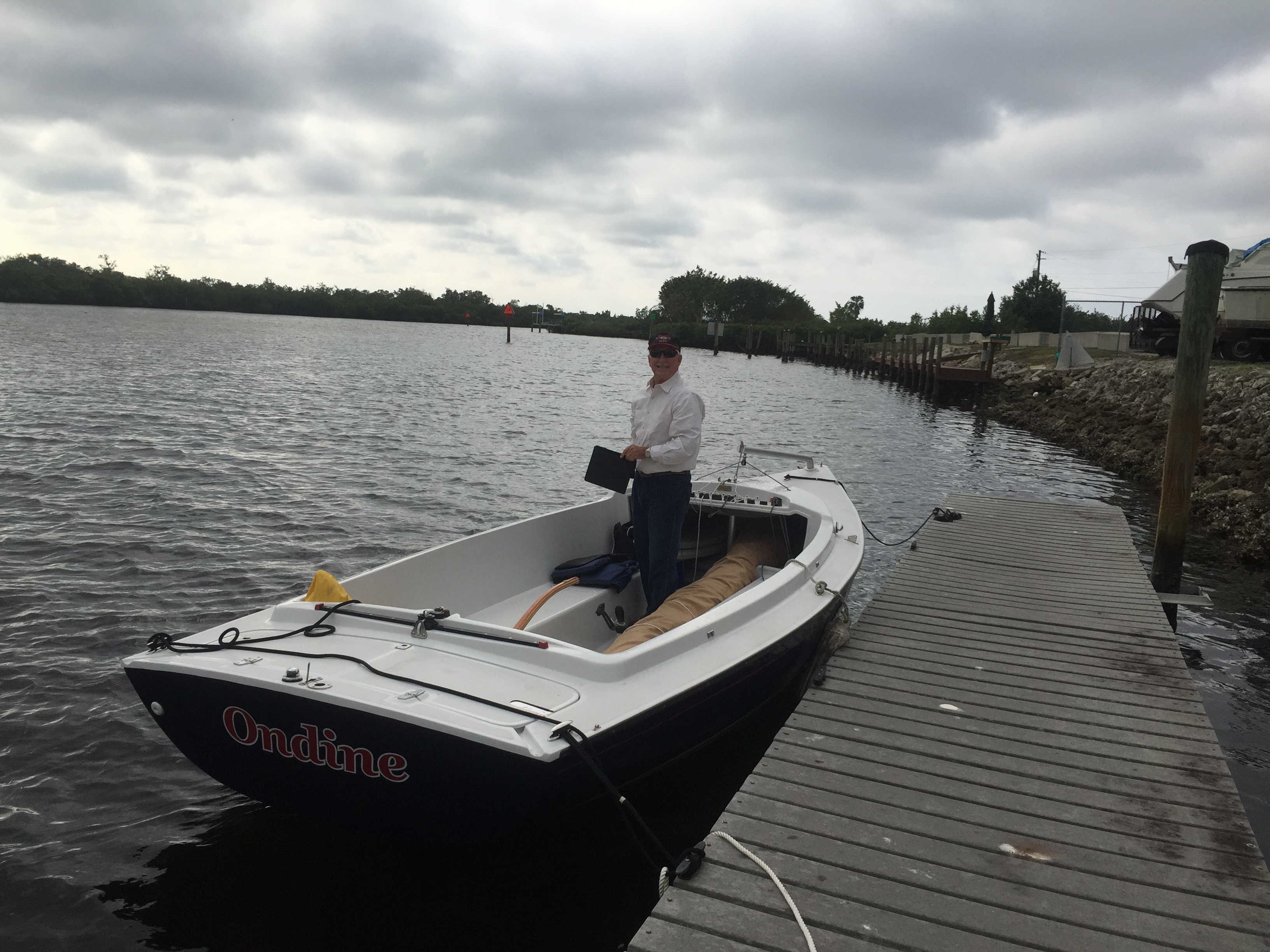
What a sailing club actually is
A sailing club is not just a social label with a burgee and a group chat. It is a repeatable system for getting people on the water safely, regularly, and with enough structure that the same four people are not carrying the entire season on their backs.
At minimum, a club needs four things:
- Access to water through a dock, launch point, marina, beach, or other workable site.
- A membership model so people know who belongs, who pays, and who gets voting rights or boat access.
- A schedule so sailing happens on purpose instead of whenever somebody remembers to text.
- A safety and training culture so beginners do not become cautionary tales.
A club can be tiny and still be legitimate. I have seen small groups with twelve active sailors outperform larger groups because they had one clear purpose and a calendar they actually used. The reverse is common too: a club with a nice name, a few glossy photos, and no one willing to lock the gate on Tuesday night. That is not a club. That is a decorative rumor.
Step 1: Define the club before you recruit anyone
Start with the mission. Not a slogan. A mission. If you cannot explain why the club exists in one sentence, you will end up with an argument about everything from racing rules to whether the dinghy shed needs a committee subcommittee. That kind of efficiency is admired in no harbor I know.
Decide what kind of club you are building
Most sailing clubs lean toward one of these models:
- Recreational club for casual sailing, social outings, and learning.
- Training-focused club for beginners, youth programs, and certifications.
- Race club for regular regattas, fleet racing, and performance sailing.
- Community club that combines sailing with outreach, inclusion, and shared boat access.
You can blend models, but do not pretend every model has the same priorities. A race-heavy club needs rules, scoring, and course management. A community club needs onboarding, mentoring, and member support. A family club needs simpler schedules and a lot more patience than any of us would like to admit.
Write the first three club rules
Before you recruit members, define the three rules that matter most. Mine would be:
- Safety decisions override convenience.
- Every member should know how to contribute, not just how to attend.
- If a process depends on one person remembering everything, the process is broken.
That last one sounds harsh because it is. It is also how clubs avoid collapsing when the enthusiastic volunteer gets sick, moves, or discovers that life outside the club exists.
Step 2: Choose the location and facilities
Location is where dreams go to meet property reality. You want somewhere that is accessible, safe, and affordable enough to survive a bad season. A beautiful launch point is fine. A beautiful launch point nobody can use on a weekday evening is theater.
The RYA’s Where’s My Nearest tool is a reminder that the club world runs on practical location choices. People join clubs when the club is reachable, not when it is spiritually aligned with the tides.
Check the boring things first
- Parking and drop-off access
- Launch and recovery space
- Storage for sails, PFDs, and equipment
- Restrooms and basic shelter
- Lighting, security, and gate access
- Weather exposure and safe escape routes
If you are working with a marina, yacht basin, or shore-based community space, make sure the club can function there on an average Tuesday, not only on the one perfect Sunday you used for the site tour. Average weather is the actual test. The weather brochure is a liar.
Keep the facility plan simple
Do not overbuild the first version. The first year should prove demand, not prove that you enjoy spreadsheets. A modest clubhouse, a storage plan, and a clear booking process are better than a grand vision that eats the budget before the first sail.
One useful model is the training-and-events club: one main dock, one storage area, one meeting room, and a posted calendar. Add more later if membership growth justifies it. That is how grown-up clubs operate, even if nobody wants to say it out loud at the first committee meeting.
Step 3: Set the leadership structure
Leadership is not decoration. Someone has to own the decisions, and someone else has to challenge them when they drift into nonsense. A club without roles becomes a club where all the work lands on the loudest volunteer.
A practical starter structure looks like this:
| Role | Main job | Common failure if nobody owns it |
|---|---|---|
| Commodore or chair | Sets direction, leads meetings, resolves conflicts | Every decision becomes a public debate |
| Secretary | Records minutes, notices, membership records | People forget what was agreed last month |
| Treasurer | Handles dues, bills, budget, and financial reporting | Money becomes folklore |
| Safety officer | Checks protocols, emergency plans, training standards | The club discovers risk only after a close call |
| Events lead | Runs the calendar and coordinates volunteers | Nothing happens on time |
For a small club, the same person can hold more than one role at first. That is normal. What is not normal is pretending a two-person committee can hold itself together for a year. It cannot. It will simply collapse slower.
Build term limits and rotation
People often imagine volunteer burnout as a moral failure. It is usually a design failure. Rotate duties annually or semi-annually. Create a deputy or assistant role for each major job. Let people learn the work before you hand them the keys and a smile.
Step 4: Set the budget and dues
Money is where many clubs start speaking in vague optimism. Resist that urge. Write the numbers down. Keep them boring. Boring finances are healthy finances.
Your budget should include:
- Dock or facility fees
- Insurance and safety equipment
- Website and communication tools
- Boat maintenance or shared equipment costs
- Training materials and event supplies
- Contingency money for the surprise nobody planned for
A club that does not charge enough will spend its first season apologizing for lack of resources. A club that charges too much will spend its second season apologizing for lack of members. The art is to price membership so the club can function without becoming exclusive by accident.
Use tiers, not guesswork
Many clubs use a simple tier model:
- Individual membership for solo sailors or adult participants.
- Family membership for households sharing one account.
- Student or junior membership for lower-cost entry.
- Supporter membership for people who want to help but may not sail regularly.
That last category matters more than clubs admit. Not everyone wants the same level of access. Some people want to race. Some want to volunteer. Some want to help the club exist without turning every weekend into a regatta. Let them.
Step 5: Recruit members without sounding desperate
Recruitment fails when the club sounds like it wants bodies instead of participants. People can tell. They are annoyingly good at it. The pitch should be simple: this is a place to learn, sail, help, and belong without being hazed by committee theater.
US Sailing’s competition resources are useful here because they show how organized sailing communities support events, training, and participation. That is the real model: structure first, enthusiasm second, and a bit of weather luck somewhere in the middle.
Know who you want
Your target audiences might include:
- Beginner sailors who need low-pressure entry points
- Former sailors returning after years away
- Families looking for a weekend activity
- Students or young adults who want affordable access
- Experienced sailors who want racing, instruction, or community
Do not try to sell the same club the same way to every audience. Beginners want clarity and reassurance. Experienced sailors want competence. Parents want safety and schedules. Race sailors want dates, rules, and a reason to show up.
Use direct recruitment channels
- Local sailing schools and marinas
- Community bulletin boards and neighborhood groups
- Social media with actual dates and contact details
- Referral incentives for current members
- Open-house sails and trial sessions
A club open house should not feel like a wedding reception for a brand nobody asked for. Keep it simple: welcome table, short tour, safety overview, one or two boats available, and a clear path to join. People join when the next step is obvious.
Create a welcoming environment
Most clubs lose people in the first month, not the first year. That means onboarding matters more than advertising. Assign a member mentor, publish the calendar, explain the dress code if you have one, and tell people what to bring. Nothing kills enthusiasm faster than the feeling that everyone else got the memo and you got the mystery.
If you want a broader example of how clubs and training centers are mapped for the public, the RYA directory is a useful benchmark. The lesson is obvious: make the club easy to find, easy to understand, and easy to contact.
Step 6: Build events people will actually attend
Events are not just entertainment. They are the club’s retention engine. If members never gather, they drift away. That is not a mystery; it is a schedule problem.
Start with a simple rhythm:
- Training night for beginners and refresher skills
- Race or practice day for active sailors
- Social night for food, planning, and debriefs
- Maintenance day for repairs, inventory, and chores
This mix works because it gives different kinds of members a reason to stay involved. A club that only races becomes too narrow. A club that only socializes becomes a dinner group with sailboats. Both can be fine, but neither is complete.
Use a seasonal calendar
Do not plan one event at a time unless you enjoy scrambling. Build a season calendar with:
- Launch weekend
- Monthly sailing days
- Safety refreshers
- Guest speaker sessions
- Friendly races or regattas
- End-of-season awards or wrap-up
That kind of calendar is what keeps a club visible. Members need repetition more than novelty. A steady schedule beats an ambitious one that nobody remembers by week three.
Partner with other clubs
Collaboration can solve a lot of problems fast. Guest races, shared training, and combined social events reduce cost and increase turnout. It also lets your members see that their club is part of a wider sailing ecosystem, not a lonely island with a sign.
World Sailing’s World Sailing Academy is a good example of how training can be structured for a wider audience. And for clubs that want to think seriously about inclusion rather than merely claim it on a flyer, the Accessibility & Inclusion guidance is worth reading before you start improvising policies.
Step 7: Keep safety and training visible
A sailing club that treats safety as an appendix will eventually pay for that decision. Safety is not a slogan you paste on the wall and then ignore. It should be visible in onboarding, event planning, equipment checks, and cancellation decisions.
Minimum safety basics
- Written emergency procedures
- Required personal flotation devices where appropriate
- Weather threshold rules
- Communication plan for late arrivals and cancellations
- First aid access and a trained point person
- Boats and gear inspected on a schedule
US Sailing’s education and member resources exist because clubs need repeatable standards, not heroics. You do not want a culture where everything depends on one experienced person making the right call from memory while everyone else guesses.
Training should be routine, not ceremonial
Offer short refreshers instead of assuming everyone already knows the drill. New members need basics. Experienced members need reminders. Even seasoned sailors benefit from hearing procedures out loud before the season starts. That is less glamorous than a dramatic rescue story, which is good, because the drama is what you are trying to prevent.
Step 8: Build retention, not just signups
Signing up members is the easy part. Keeping them is where the work starts. Retention comes from clarity, usefulness, and habit. If your club is only exciting once, it is not a club. It is a temporary mood.
To keep members engaged:
- Send a clear monthly update
- Publish the next three events at all times
- Ask members to help shape the calendar
- Celebrate participation, not only performance
- Make volunteering small and specific
Small volunteer asks work better than vague pleas. Do not ask, “Who wants to help out?” Ask, “Who can bring ice for Saturday?” or “Who can open the shed at 9:00?” Concrete tasks get better answers because they do not feel like a trap disguised as community.
Watch for the early warning signs
The usual symptoms of a weakening club are predictable:
- Only the same few members attend everything
- Events get cancelled because no one owns them
- New members do not return after their first visit
- Communication is irregular or confusing
- Money is fine on paper, but nothing actually gets improved
If those symptoms show up, do not launch another committee. Fix the calendar, clarify responsibilities, and remove friction from the next event. Clubs usually die from drift, not one dramatic disaster.
A realistic launch checklist
Before you call the first season a success, check these items:
| Area | Question to answer | Ready? |
|---|---|---|
| Mission | Can we explain why the club exists in one sentence? | Yes / No |
| Location | Can people actually reach and use the site? | Yes / No |
| Leadership | Are roles assigned and documented? | Yes / No |
| Budget | Do dues cover real operating costs? | Yes / No |
| Recruitment | Do prospective members know how to join? | Yes / No |
| Events | Is there a published calendar for the next quarter? | Yes / No |
| Safety | Are procedures written and shared? | Yes / No |
| Retention | Do new members have a reason to come back next month? | Yes / No |
If you are answering “No” to more than two of those questions, do not rush the launch. Clean up the parts that matter. Most club problems are structural, not inspirational. Inspiration is cheap. Process is the expensive part.
A small example that feels familiar
Imagine a new club with twenty interested people, six boats, and one useful meeting room. The wrong move is to design a grand program before anyone has agreed on dues, safety procedures, or who owns the keys. The right move is more boring: write the mission, assign roles, set a beginner night, schedule one social evening, and run the first three months like a pilot program.
That kind of club often looks modest in month one and respectable by month six. That is not failure. That is what actual community building looks like when the noise is removed.
Conclusion
A sailing club works when it solves real problems for real people: access, training, coordination, safety, and a reason to come back. Start small. Put the structure in place. Recruit members who want to contribute, not just consume. Keep the calendar honest. And when something breaks, inspect the process before blaming the weather. The weather gets blamed enough already.
If you want to keep building from here, browse the blog for more sailing guides and use the home page to reorient yourself around the site as a whole. A club, like a boat, does best when everyone knows where the controls are.
- Define the club before you recruit.
- Choose a location that works on an average day.
- Assign roles and rotate them before burnout starts.
- Recruit with clarity, not theatrics.
- Run events on a steady calendar.
- Keep safety and training visible.
- Measure retention, not just signups.