Boat buying guide
How to Choose the Right Boat for Your Needs
Choosing a boat is easier when you start with your real life, not with the glossy listing. The right boat is the one that fits how you want to spend time on the water, who will come with you, where it will live, and what you can comfortably maintain. That sounds simple, but simple is often where good decisions begin.
If you are wondering how big the boat should be, whether a sailboat or motorboat makes more sense, what storage will cost, or how much upkeep you can realistically take on, you are asking the right questions. The general categories in Britannica’s overviews of boats and sailboats make one thing clear: boats are built for different jobs, and the best match starts with the job you want done.
That is the heart of this guide. Before you browse the shop, compare models, or ask a marina for quotes, it helps to slow down and sort the decision into a few practical pieces. By the end, you will have a simple way to compare boat types, budget for ownership, and choose with more confidence.
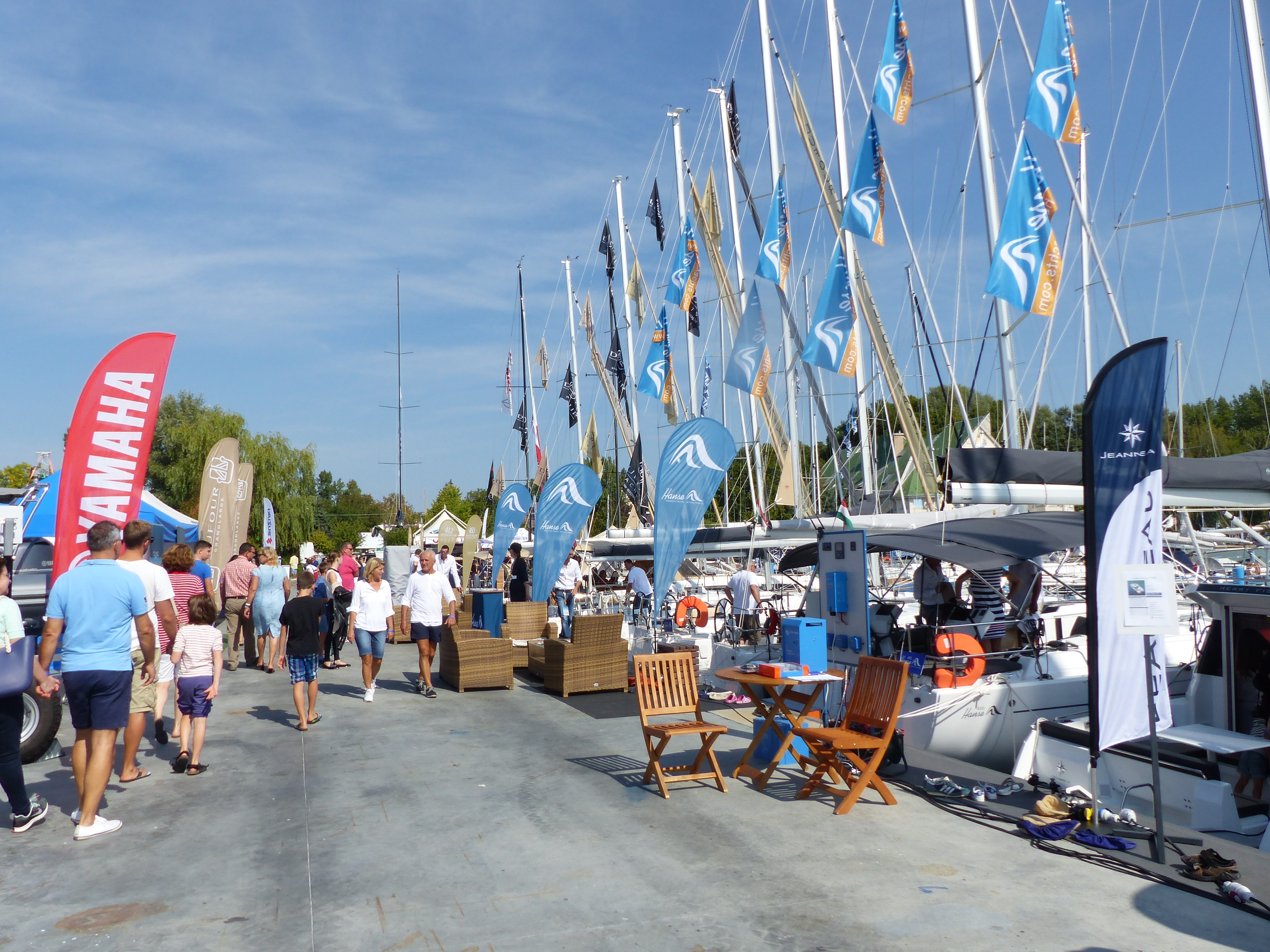
1. Start With the Way You Actually Plan to Use It
The first decision is not about brand, color, or trim package. It is about use. A boat that feels perfect for one family may be wrong for another because the day on the water is different.
Ask yourself a few plain questions:
- Will you use it for quiet cruising, fishing, watersports, overnight stays, or a mix of those things?
- Will you usually go out with two people, a small family, or a larger group?
- Will you trailer it, keep it in a marina, or store it at home?
- Do you want something simple and easy to launch, or are you comfortable with a longer routine before each trip?
If your answer is “a little of everything,” that is useful too. It usually points you toward a versatile layout rather than a specialized one. A boat can be great at many things, but it is rarely excellent at all of them. That is not a flaw. It is just the price of having a hull with opinions.
For readers who like to understand the broad categories first, Britannica’s motorboat entry is a helpful contrast to sail-driven boats, because it shows how propulsion changes speed, handling, and the kind of day you can realistically expect.
2. Match the Boat Type to the Job
Different boats are designed with different strengths. The best boat for a fishing trip is not necessarily the best boat for leisurely harbor cruising, and the best family boat is not always the best boat for a long day in changing weather.
| Boat type | Best for | What to watch |
|---|---|---|
| Sailboat | Relaxed cruising, learning wind handling, longer outings where the journey matters as much as the destination | Needs more time, more skill, and more patience when the wind is light or the harbor is crowded |
| Motorboat | Fast trips, day outings, watersports, and people who want direct control over timing | Fuel use, engine upkeep, and a louder ride can raise both cost and effort |
| Fishing boat | Angling, gear storage, and a layout built around work rather than lounging | May feel less comfortable for mixed-use family cruising if seating and shade are limited |
| Pontoon boat | Social outings, calm-water cruising, and easy boarding for children or older guests | Usually not the best choice for rough water or high-speed performance |
| Cabin cruiser | Overnight stays, mixed-weather trips, and buyers who want more comfort below deck | Usually costs more to buy, store, insure, and maintain |
That table is the part many first-time buyers skip, and then they regret it later. Not because they are careless, but because every boat listing sounds inviting when the dock lights are low and the photos are flattering.
If you want a deeper read on one of the most common categories, the Britannica pages on sailboats and fishing boats are useful for understanding why their layouts and handling priorities are so different.
3. Size, Capacity, and Storage Decide More Than People Expect
A boat only feels “right-sized” when it fits your actual routine. If it is too large for your trailer, too tall for your storage space, or too crowded once everyone brings a bag, cooler, and safety gear, the boat will be harder to use than you expected.
Here are the practical checks I would make before falling in love with a listing:
- Seating: Count the people who will really be aboard on a normal day, not the best-case guest list.
- Deck space: Make sure people can move without bumping into lines, gear, or each other.
- Storage: Check where life jackets, coolers, rods, bags, and cleaning supplies will live.
- Launch and retrieval: If you trailer the boat, ask how much work it will take at the ramp.
- Home base: Marina slips, dry storage, and home storage each change your budget and your convenience in a real way.
It is worth being honest here. A boat that is “just a little too much” for your storage situation is often a boat you use less often. And a boat you use less often is the most expensive kind of boat: the one that waits for you while you explain to yourself why this weekend was not the right weekend.
If your plans are family-focused, a pontoon or a roomy cabin cruiser may be more forgiving. If your plans are solo or two-person outings with occasional guests, a smaller motorboat or sailboat may be plenty. The right answer is not always the biggest answer.
4. Budget for Ownership, Not Just Purchase Price
Most buyers focus on the sticker price first. That is understandable, but it is only the beginning. The better question is what the boat will cost across a full season or full year.
| Cost area | Why it matters | What to check |
|---|---|---|
| Purchase price | Sets the entry point for the boat itself | New vs. used, model year, condition, and included gear |
| Insurance | Can vary with size, use, and storage | Get a real quote before you commit |
| Storage or mooring | Often becomes one of the largest recurring expenses | Trailer at home, dry stack, or marina slip |
| Maintenance | Small repairs become routine costs over time | Engine service, bottom cleaning, winterization, and cleaning supplies |
| Fuel and operating costs | Especially important for motorboats and heavier use | Typical trip length and how often you plan to go out |
| Safety gear and upgrades | Required or strongly recommended items add up quickly | Life jackets, lines, fenders, radios, navigation tools, and spare parts |
If you are comparing a long list of boats, a simple scoring sheet can help: give each candidate points for fit, cost, upkeep, and comfort, then rank them before you visit a second time. For teams or operators who manage a more structured decision process, a neutral resource like AI consulting services can be a useful model for turning scattered options into a clearer workflow.
That does not replace your judgment. It just gives your judgment fewer places to wander off and buy something shiny.
Used boats can be a smart way to stretch your budget, but they reward careful inspection. Ask about service records, storage history, and any repairs that were done after damage. A lower purchase price is not a bargain if the maintenance bill arrives like a second invoice wearing a disguise.
5. A Simple Decision Path That Keeps You Grounded
If you want the decision to feel less overwhelming, reduce it to four steps:
- Define the job: cruising, fishing, watersports, family time, overnight stays, or a mix.
- Set the real budget: purchase price plus insurance, storage, fuel, and maintenance.
- Choose the right type: sailboat, motorboat, fishing boat, pontoon, or cabin cruiser.
- Inspect the fit: capacity, deck layout, storage, and how easy it will be to actually use.
If you are still torn between two models, the best test is often boring but effective: imagine the ordinary day, not the ideal one. Which boat makes the average trip easier? Which one fits the people who will really go with you? Which one will still feel manageable when you are tired, the weather has shifted, or you want a quiet afternoon instead of an adventure with extra paperwork?
When you answer those questions honestly, the right boat gets much easier to see.
Conclusion
The right boat is not the one with the longest feature list. It is the one that matches your use, your budget, your storage situation, and the kind of time you want on the water. If you keep those four points in view, the search becomes calmer and the decision becomes more durable.
Take your time. Compare the layouts. Ask about ownership costs. And if you want to keep reading, you can return to the home page, browse the shop, or find more practical guides in the blog.