Joining a sailing community is not just about fun on the water—it’s how you reduce risk, learn faster, and stop reinventing the boring (but important) parts of seamanship.
When people search for this topic, they usually want answers to questions like: Where do I find the right group? What do I actually get—friends or skills? How do I participate if I’m new? and Will it help with safety and confidence? As John Dewey put it, “We do not learn from experience… we learn from reflecting on experience.”
Sailing is a skills-and-habits sport. Communities accelerate learning by turning individual trips into shared lessons—without hiding the mistakes behind polite silence. The value of structured learning and peer support is consistent with adult learning research (for example, Knowles’ assumptions about andragogy) and broader community-learning practice (see andragogy).
By the end of this article, you’ll know what a sailing community can realistically provide, which community signals matter most, and how to join in a way that gets you benefits—without wasting months doing awkward “social admin” instead of seamanship.
Table of contents
- Introduction to sailing communities
- Social benefits
- Learning opportunities
- Networking and support
- Conclusion
Introduction to sailing communities
A sailing community is any organized group where sailors regularly meet and share time, knowledge, and resources—clubs, regatta crews, flotillas, training cohorts, boat-maintenance circles, and even recurring meetups between nearby sailors. The exact format varies. The underlying mechanism doesn’t: repeat contact + shared context + feedback.
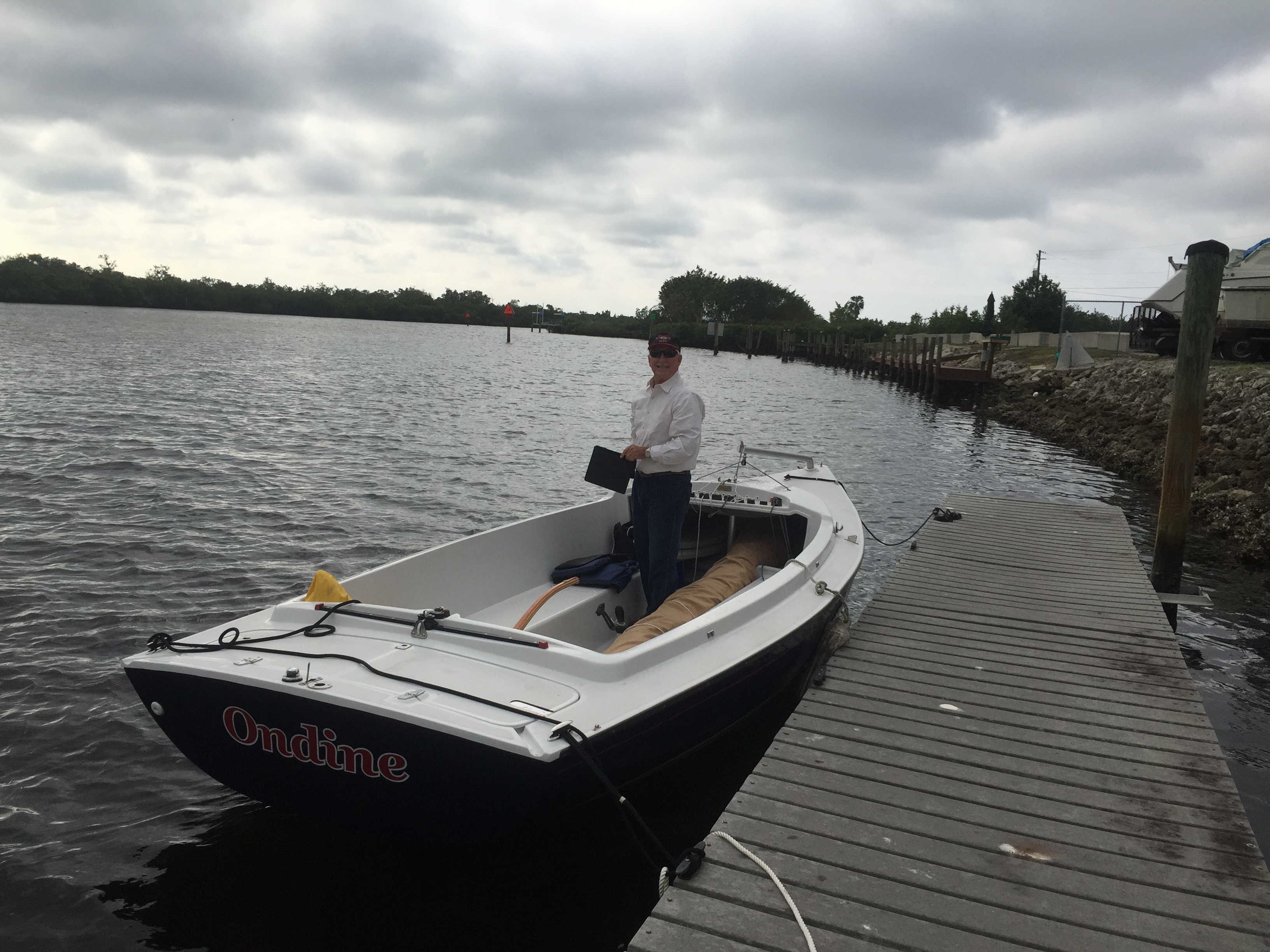
What communities typically include
- On-water outings (short sails, longer passages, organized practice)
- Hands-on support (rigging, maintenance days, shared checklists)
- Skill sharing (safety briefings, docking technique, seamanship workshops)
- Social momentum (crew matching, shared planning, post-sail debriefs)
Social benefits
Yes, you’ll meet people. But the better question is: what kind of social structure actually helps you sail better? A good community reduces isolation, improves motivation, and turns learning into a repeatable routine.
1) Fewer “solo” decisions under pressure
When things get tense—wind shifts, unfamiliar docking approach, unexpected equipment behavior—people who sail together tend to have shared references and calmer communication patterns. That’s not magic. It’s practice with the same people and the same expectations.
2) Better crew matching and more sailing time
Many sailors don’t lack enthusiasm; they lack access to a consistent crew or an available boat. Community membership increases the odds that your timing, skill level, and schedules align with someone else’s.
3) Accountability that doesn’t feel like a lecture
Debriefs after sails—what worked, what didn’t, what to improve next time—create accountability without drama. If a club or group actively debriefs, that’s a green flag.
Learning opportunities
If you want the practical upside, learning opportunities are the main event. Communities compress your learning curve because they provide both instruction and feedback.
1) Real-time corrections (not just “tips”)
On the water, the difference between “try this” and “do this now” matters. In a community, you often get instruction during real maneuvers, followed by corrections while the memory is fresh.
2) Shared checklists for safety and readiness
Safety is systems thinking. Communities tend to develop local versions of the same idea: pre-sail checks, roles, and communication rules. If the group talks about readiness in structured terms, that’s a sign they treat safety as a process, not a poster.
3) Skill libraries: knots, lines, sail care, and maintenance habits
Ask where a community keeps its knowledge—notes, photo guides, or recurring “how we do it” sessions. The best groups don’t rely on “experience” as a black box. They translate it into repeatable skills.
If you want a baseline reference for navigation and safety principles, start with official or well-known resources like the U.S. Coast Guard Navigation Center and general seamanship guidance from Learn to Sail (United Kingdom). Use these as anchors, not as a substitute for group mentoring.
Networking and support
Networking in sailing isn’t about name-dropping. It’s about access: the right contact at the right time, advice that prevents damage, and support when your gear doesn’t behave.
1) Maintenance support that saves money
Most expensive mistakes in sailing are boring: skipping inspection, misunderstanding a component’s job, or storing/handling something incorrectly. A community that shares maintenance days and sanity-checks reduces those costs.
2) Access to gear, boats, and training opportunities
Sometimes the “best” resource is simply an offer: “We have a spare lines kit,” “We’re looking for crew for next weekend,” or “We’re running a workshop.” The community acts like a bulletin board with actual trust behind it.
3) Emotional support without losing focus
Yes, sailing is social. But the support you really want is problem-focused: “What happened, what did we check, what’s the next step?” That’s the difference between reassurance and useful help.
Conclusion
Joining a sailing community gives you more than company. It gives you a learning system: shared outings, structured safety habits, feedback loops, and real support when something goes wrong.
First diagnostic step: pick one community you’re considering and ask (politely, but directly) how they handle safety briefings and post-sail debriefs. If the answers are vague, you’re not buying a social club—you’re buying uncertainty.
If you want a starting point for what people typically use and pack for sailing, browse the site’s sailing gear and guides from the home page and the blog index.
Key takeaways
- Social benefits improve motivation and reduce isolation on the water.
- Learning opportunities accelerate skill-building through real feedback.
- Networking and support reduce costly maintenance and equipment mistakes.
- Look for groups that use process: checklists, briefings, and debriefs.